


Best Practices for Endcap Displays: Layout, Stocking, and Restocking
Effective endcap displays do more than attract attention. They need clear layout, practical stocking logic, and simple restocking workflows to stay full, tidy, and easy to shop throughout the promotion period.
Back to blogs
Executive Summary
End-cap displays do far more than simply fill the space at the end of an aisle. When planned well, they can enhance product visibility, create a clearer shopping scenario, and effectively support in-store execution throughout the entire promotion period.
However, the success of an end-cap display is by no means achieved through visual design alone. It also depends on clear layout, practical stocking strategies, and efficient replenishment processes that ensure the displays remain fully stocked, tidy, and easy to shop.
This article outlines the practical principles behind end-cap displays that perform better in real retail environments, from product placement and customer flow to restocking efficiency and daily maintenance.
Why Endcaps Matter
Endcaps sit where shoppers walk by, turn, and pause, giving them an advantage over products placed deeper in the aisles.
They can also simplify purchasing decisions. A well-designed endcap display doesn't require customers to explore the entire category section; it presents a more compact visual narrative, highlights key products, and offers a faster path to purchase.
For brands, this makes end caps one of the most valuable spaces in the store. They can help launch new products, spotlight seasonal promotions, increase exposure for key SKUs, and encourage the purchase of related items.
However, for retailers, end-cap displays are not merely display spaces but also an operational responsibility. Once a display area becomes disorganized, runs out of stock, or faces restocking difficulties, its sales potential will rapidly decline. That's why the best end-cap displays are designed as practical retail tools, not just visual displays.
Start With the Selling Objective
Before thinking about the visual design, it is helpful to clarify the purpose of the endcap displays.
Some endcap displays are designed to encourage customers to try new products; others aim to increase sales, support short-term promotions, or raise the customer's average transaction value by combining related products. This objective should determine the required assortment, structure, and inventory levels for the display.
End caps generally perform best when they maintain a focused theme. Too many SKUs will dilute the promotional message and make the display appear cluttered. A more streamlined assortment is often easier to understand, simpler for customers to shop, and easier for staff to maintain.
A simple question is the best starting point: What should customers notice first? Once you have the answer, the rest of the layout becomes much easier.
Create one focal point
Many endcaps lose impact because they try to communicate too much. Too many product groups, messages, or visual distractions can make the display harder to read.
In most cases, one focal point works better. That could be a hero product block, a featured promotion, or a simple product story shoppers can understand from a few steps away.
Clarity works better than clutter.
Best Practices for End-Cap Displays
Place Key Products in the Most Prominent Location
Key products or promotional items should be placed in the most prominent and easiest-to-reach within the display area. Supporting products can serve to complement the display but should not conflict with the core message.
An excellent end-cap display does not attempt to present everything at once; it quickly and clearly directs the customer’s attention.
Create a Single Visual Focal Point
Many end-cap displays fail because they try to convey too much information. Too many product categories, promotional slogans, or visual distractions can reduce the display’s readability.
In most cases, creating a single visual focal point works best. This could be a star product zone, a featured promotion, or a concise product story that customers can grasp within a few steps.
Clear and concise is better than messy and chaotic.
Design for real traffic flow
End caps sits at aisle intersections, so they should work with the store's foot traffic rather than impede it. Shoppers should be able to notice the displays, stop briefly, and pick up items without feeling blocked.
The pick-up area should be designed to be comfortable and easy to reach. Bulky or heavy items should not be placed where customers have to bend over or reach too high. A display that works with traffic flow is easier to shop and maintain during busy periods.
Use adjacent displays with purpose
Endcaps can support cross-merchandising, but the pairings should be logical and intuitive. Naturally paired items usually perform better than unrelated products that are randomly grouped together simply to fill space.
The goal is to help customers make purchasing decisions, rather than simplely stacking more products on the shelves.
Loading and Stocking Best Practices
Design for easy loading from the start
If endcap displays need to remain fully stocked throughout the promotion period, the loading method must be practical. Store teams should be able to understand the display quickly, place products easily, and restore the display to its original state effortlessly.
This is where structure design matters. Shelf depth, access openings, stocking logic, and product orientation all affect the ease of stocking and maintenance for the displays.
A display may look great in renderings or on a sample, but if restocking is inconvenient on the sales floor, its performance will often suffer significantly.
Set display quantity based on actual sales
Display quantity is not simply a visual decision. It also determines how long the shelves can remain stocked between replenishment checks.
If a product is expected to sell out quickly, end caps need sufficient capacity to avoid looking empty early in the day. If capacity is too low, the display effect will be significantly diminished, even in prime locations. If the display is too full, it may appear cluttered and be difficult to keep tidy.
The best practice is to determine display capacity based on actual sales and the store’s restocking schedule.
Weight Control and Stability
Shelf loading rules should balance product display with structure stability. Heavier items should be placed lower on the shelves, while lighter items can be placed higher to increase their visibility.
This is particularly important for corrugated end caps. If weight is concentrated too high or distributed unevenly, the display is more prone to leaning, shelf deformation, and wear during promotion periods.
A sturdy endcap display needs to be balanced not only visually but also physically.
Reduce unnecessary handling
Small friction points can often lead to larger execution issues. Complex display layouts, excessive packaging waste, unclear stocking logic, and inconvenient product retrieval will increase store labor hours.
A well-designed end-cap display can reduce operations. It should be easy to understand, simple to restock, and quick to restore to its original state after customer contact. The simpler the process, the longer the display will remain appealing.
Restocking Best Practices
Restock before the display looks empty
A half-empty endcap display will lose its appeal quickly. Even if the product is still available, the display will no longer appear active or well-maintained.
Therefore, restocking plans need to consider not only inventory status but also display effect. In most cases, store staff should restock before the display looks picked over.
For best-selling items, this usually means checking the shelves at scheduled times during the day, rather than relying on a single restocking.
Make product rotation part of the routine
For categories with shorter shelf lives, build rotation into the restocking process from the start. Handle older inventory first, and avoid simply stacking new stock on top of existing inventory without checking. This helps keep displays attractive, reduces waste, and enhances customer shopping experience.
Keep the workflow simple
The ideal restocking process is the one that store teams can work with consistency even during peak hours. In most retail scenarios, this means the process should be straightforward: move products to the sales floor, restock efficiently, clean up waste immediately, and ensure displays are neat and easy for customers to shop.
If end-cap displays require excessive manual adjustments, it becomes difficult to sustain effective performance through the entire promotional period.
Plan for Wear and Tear
Prominent locations may boost visibility but also make products more susceptible to theft, damage, and daily wear and tear. This does not mean that displays should be inconvenient for shoppers, but it does require careful consideration of product selection and placement.
Smaller or higher-risk items may require stricter placement management. Displays in high-traffic areas may also require more refined restocking procedures to ensure they remain neat after repeated shopper contact.
What features should effective endcap displays have in practice?
From a practical perspective, effective endcap displays should clearly convey the product story, place key items where shoppers can easily see and reach them, support a stable and logical stocking layout, provide staff with a simple method for restocking and organizing, and keep shelves fully stocked, tidy, and easy for customers to shop throughout the promotion period. If any of these elements is missing, sales performance will often decline. The display may still look attractive in photos, but it becomes difficult to maintain in the crucial sales floor.
Conclusion
A successful endcap display is more than a promotional surface. It is a retail tool that requires a balance between visibility, structure, and daily operations.
The best designs do not rely on appearance alone. They are planned around customer flow, product placement, and how store staff keep the display stocked and presentable over time.
For brands using custom corrugated endcaps, this usually means going beyond mere visual design from the start. The structure should serve as a complete system that accounts for product loading capacity, restocking velocity, shipping efficiency, and ease of in-store use.
When these elements work together, the chances of the end cap remaining effective through the entire promotion period will increase greatly.


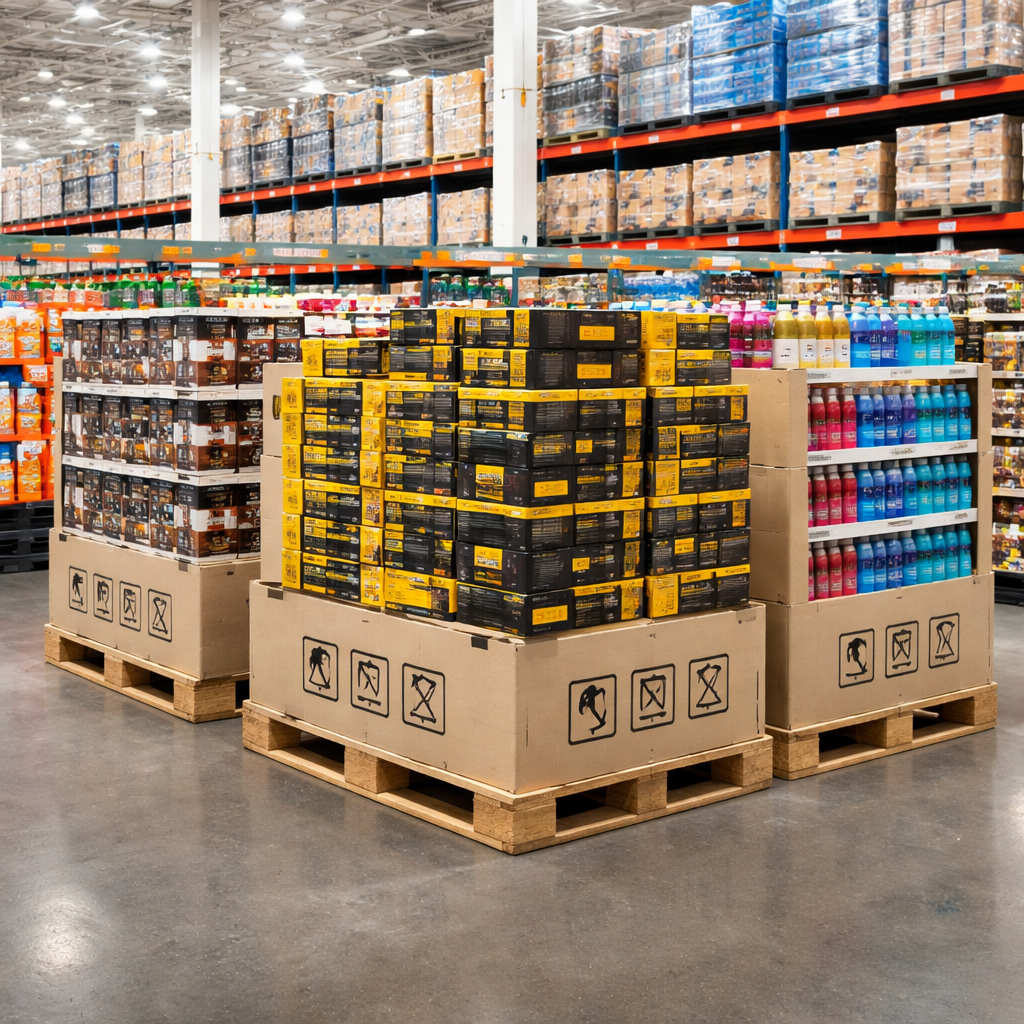
Custom corrugated cardboard endcap display for retail stores, designed for strong product visibility, easy stocking, and efficient restocking.
Useful Links:
Latest Posts
All Posts



.png)
.png)